Introduction
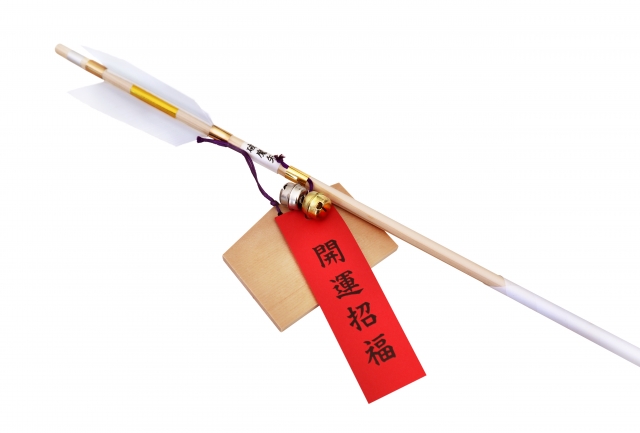
Have you ever seen a decorative arrow sold at Japanese shrines during New Year? That’s called a Hamaya (破魔矢)—literally, a “demon-breaking arrow.” These symbolic arrows are believed to ward off evil and attract good fortune. They are often bought at the beginning of the year or during special ceremonies as protective charms for homes and families. In this article, we’ll explore the fascinating meaning of Hamaya, how it’s used, and when you might encounter one on your visit to Japan.
What Is a Hamaya?
Hamaya (破魔矢) translates to “demon-breaking arrow.” Originally used in archery rituals, the arrow later became a symbolic object to drive away evil spirits and misfortune. It’s often displayed in homes to protect the household and invite luck.
When Do People Get a Hamaya?
Most people receive or purchase a Hamaya:
- During New Year shrine visits (Hatsumōde)
- At Shichi-Go-San (7-5-3) ceremonies for children
- When moving into a new home or starting a new business
- As part of setsubun or exorcism rituals in some temples
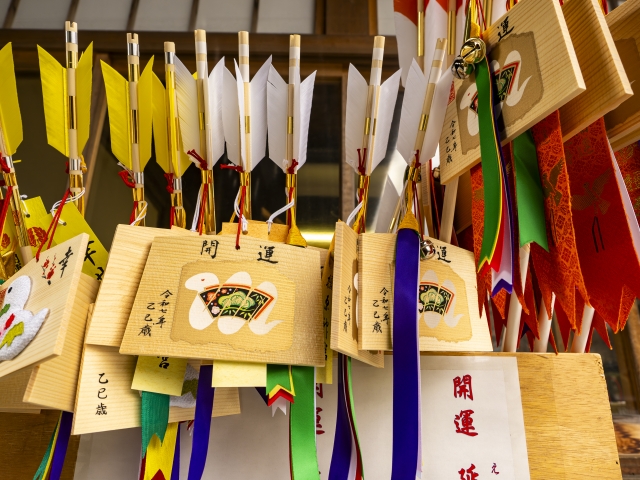
Shrines often sell Hamaya in decorative styles with bells, feathers, or plaques attached.
How Is a Hamaya Used?
- It is typically placed in a high location in the home, such as a shelf or entrance.
- It’s not used as a weapon—it’s a symbolic item only.
- After one year, many people return it to the shrine for ceremonial burning (Otakiage) and buy a new one.
Fun Fact
“Hamaya” is paired with a symbolic bow called Hamayumi (破魔弓), which is sometimes given at birth for boys, representing strength and protection.
Final Thoughts
Hamaya is a beautiful blend of tradition, symbolism, and spiritual protection. Whether you buy one for yourself or see it on display in a Japanese home, now you’ll know its deeper meaning and role in Japanese culture.

コメント