Introduction
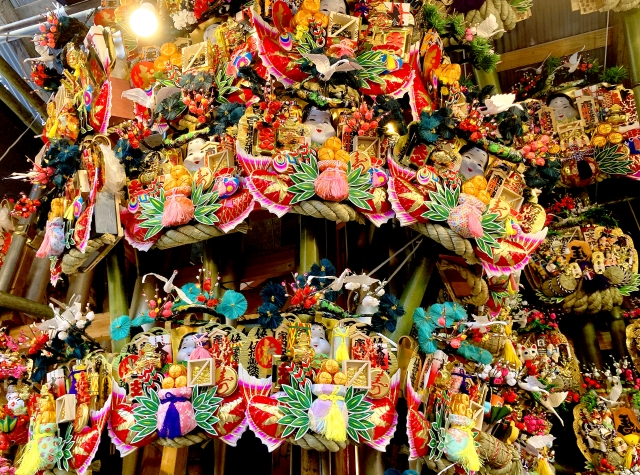
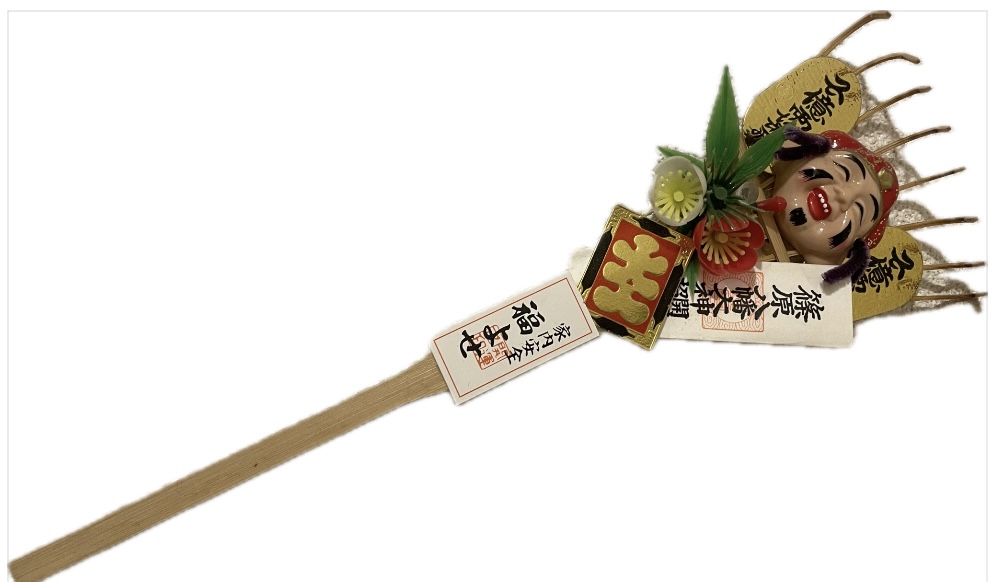
In Japan, success can be raked in—literally! A Kumade (熊手) is a decorative bamboo rake believed to bring good fortune and prosperity. Traditionally used during Tori-no-Ichi festivals in November, these symbolic charms are especially popular among business owners and entrepreneurs.
Covered in gold-colored ornaments, masks, and lucky symbols, a Kumade is more than just decoration—it’s a wish for success. In this article, we’ll explore the meaning behind Kumade, when and where to find one, and how they’re used in modern Japan.
What Is a Kumade?
Kumade (熊手) means “bear hand,” but it also refers to a rake. Originally used for cleaning, it became a symbolic tool to “rake in” wealth, luck, and customers. Over time, it evolved into a colorful charm loaded with lucky items like:
- Coins and gold ingots (wealth)
- Cranes and turtles (longevity)
- Daruma dolls (perseverance)
- Ebisu and Daikokuten (gods of business and prosperity)
When and Where to Get a Kumade
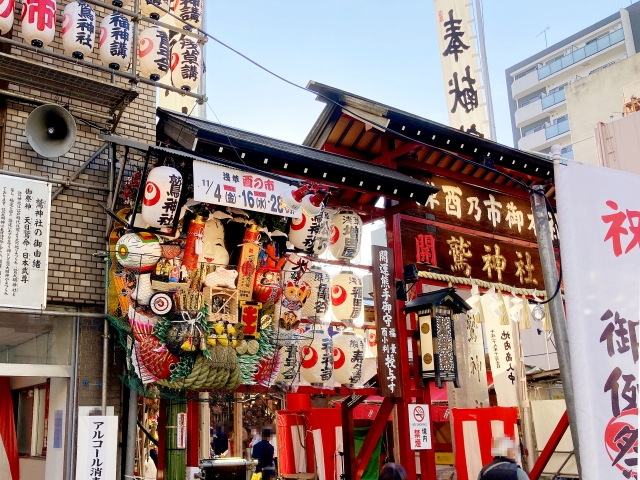
- At Tori-no-Ichi festivals (酉の市), held in November at shrines and temples like:
- Ōtori Shrine (Tokyo)
- Hanazono Shrine (Shinjuku)
- Some are also sold at New Year markets or online
Sizes range from handheld to over a meter tall!
How Is a Kumade Used?
- Displayed prominently in shops, offices, or homes
- Often placed high and facing the entrance
- Returned and replaced once a year for continued luck
In many businesses, it becomes part of the annual ritual to “upgrade” to a slightly larger one each year.
Final Thoughts
With its festive look and powerful symbolism, the Kumade is a beloved Japanese tradition that blends superstition, community spirit, and visual joy. If you spot one, remember—it’s not just a rake, it’s a wish in disguise.

コメント