Introduction:
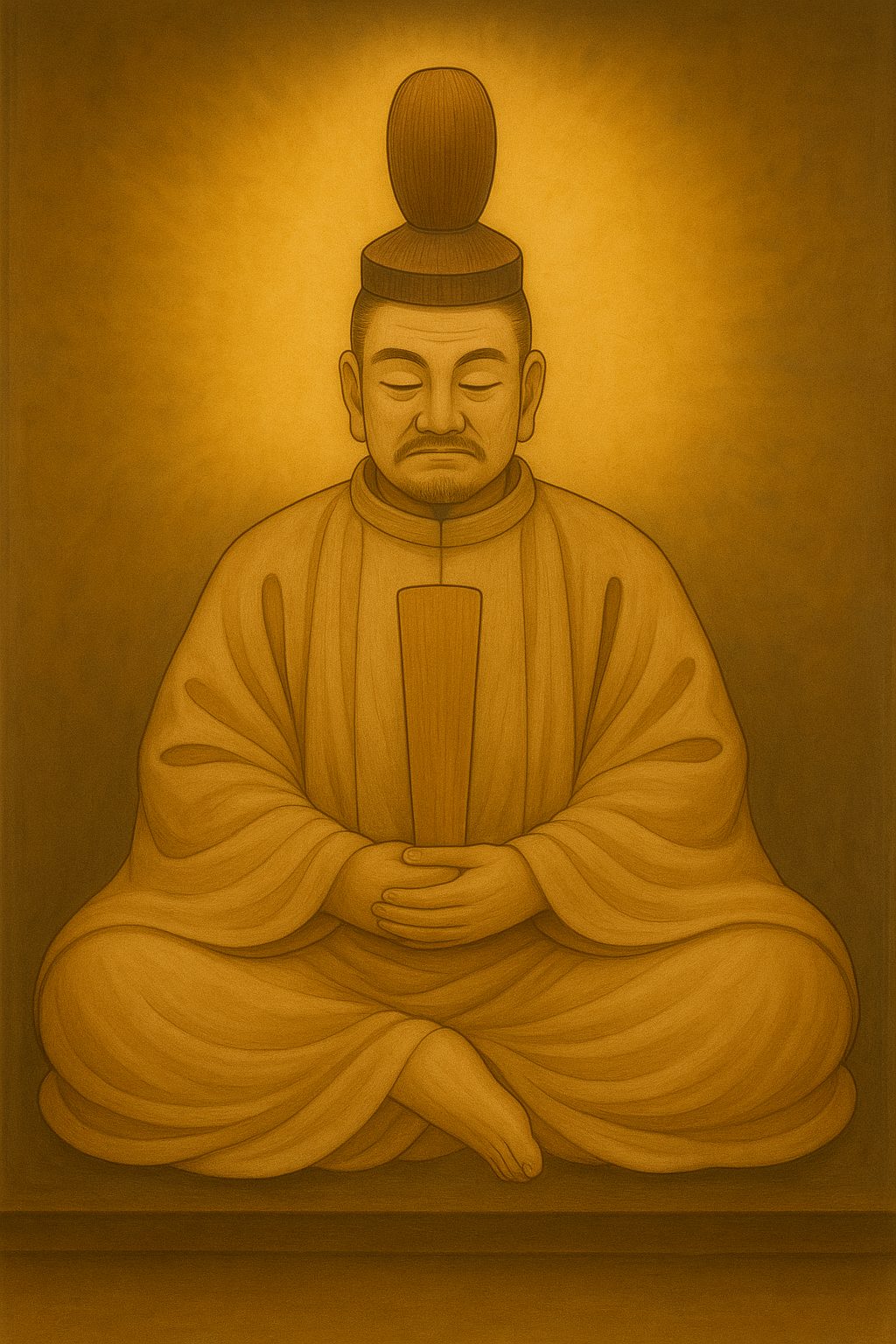
Hachiman is one of Japan’s most widely worshipped kami (deities), revered as the divine protector of the nation and its people. Associated with warriors, archery, and loyalty, Hachiman bridges the worlds of Shinto and Buddhism.
🛡️ What Blessings Does Hachiman Offer?
Hachiman shrines are popular among those seeking:
- 🏹 Victory and strength in competitions or battle
- 🛡️ Protection from misfortune and spiritual harm
- 💼 Success in leadership or career endeavors
- 🚗 Safety in travel and daily life
- 🇯🇵 National unity and peace
Hachiman is especially favored by martial artists, students, business leaders, and even politicians.
⛩️ Major Shrines Dedicated to Hachiman
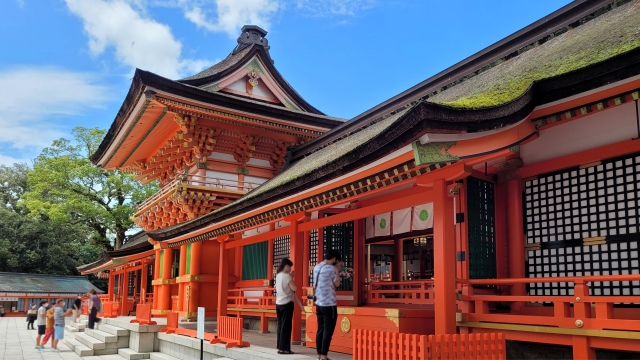
- Usa Jingu (Ōita Prefecture):
The original Hachiman shrine and spiritual home of Hachiman worship. - Iwashimizu Hachimangū (Kyoto):
A prestigious shrine that protected the imperial court during the Heian period. - Tsurugaoka Hachimangū (Kamakura):
Founded by Minamoto no Yoritomo; symbol of the samurai government. - Hakozaki Shrine (Fukuoka):
Known for its prayers for victory and protection against invasions.
These shrines often feature steep stairways, tall torii gates, and grand festival events.
📖 Who Is Hachiman?
Hachiman is widely believed to be the deified spirit of Emperor Ōjin, Japan’s 15th emperor. After his death, he was worshipped as a kami of protection, archery, and later, war.
Over time, he became the patron deity of the samurai class, especially the Minamoto clan. His unique position as both a Shinto and Buddhist figure made him a bridge between the two religions.
🎯 Symbols and Legends
- Symbols: Bow and arrow, white dove, imperial crest
- Legends: Hachiman was said to have delivered oracles in Buddhist temples, guiding both monks and warriors.
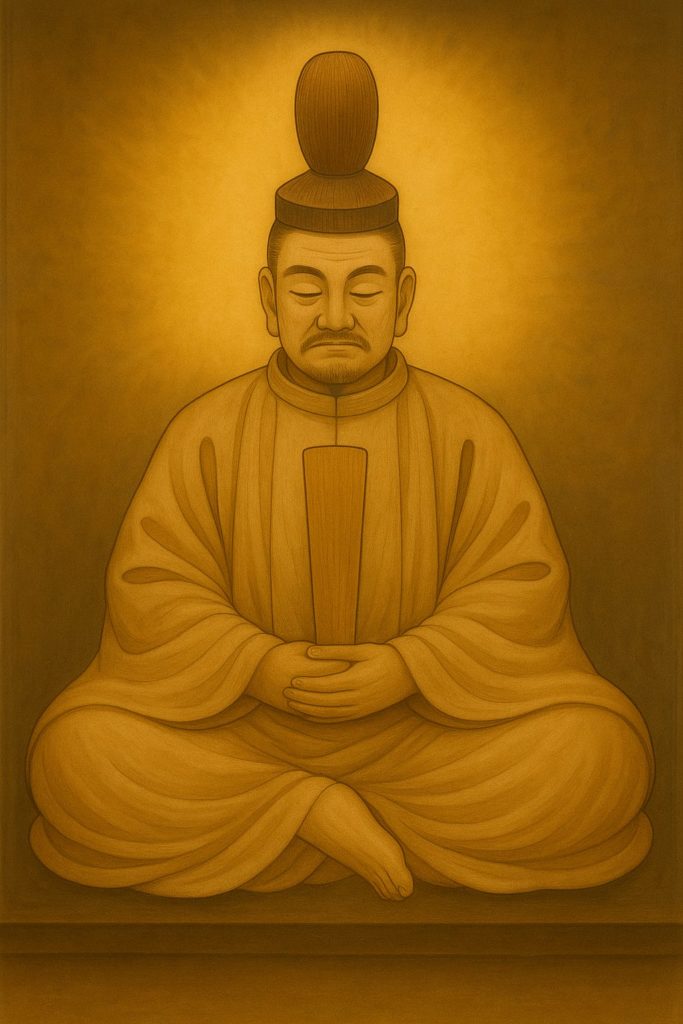
He is often depicted as a noble warrior or imperial guardian spirit.
💬 Modern Devotion
In modern times, Hachiman is worshipped not only by martial artists but also by families seeking protection, companies praying for stability, and people hoping to overcome challenges.
Shrines often hold Hachiman festivals (例: Hōjō-e) featuring horseback archery and ritual offerings.
Conclusion:
Hachiman is more than a war god—he is a protector, a symbol of harmony between strength and compassion, and a spiritual guardian of Japan. Visiting a Hachiman shrine is a way to reconnect with inner resolve and the spirit of perseverance.

コメント