Introduction
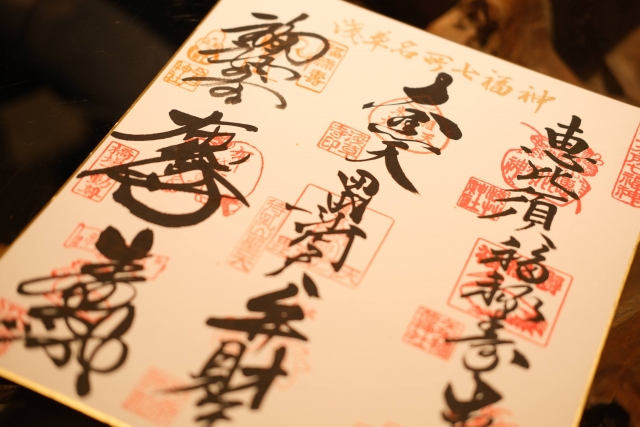
Have you ever seen beautifully calligraphed stamps collected at temples and shrines in Japan? These are called goshuin(御朱印) — spiritual seals offered to worshippers. In this beginner-friendly guide, you’ll learn what goshuin are, how to receive one respectfully, and how to start your own goshuin-chō (stamp book) on your next visit to Japan.
What Is a Goshuin?
A goshuin is a handwritten seal or stamp given at Shinto shrines and Buddhist temples in Japan. It usually features:
- The temple or shrine’s name
- The date of your visit
- Artistic calligraphy and red stamps
Originally, these were proof of religious devotion. Today, many collect them as spiritual souvenirs and a form of cultural appreciation.
What Is a Goshuin-chō?

A goshuin-chō (御朱印帳) is a special notebook used to collect goshuin. You can purchase one at many temples, shrines, or even specialty stores. Each book becomes a personal journey log of your visits.
💡 Tip: Choose a design that speaks to you—many are decorated with traditional patterns or local motifs.
How to Receive a Goshuin Respectfully
- Visit the temple or shrine and pay your respects first
- Find the goshuin reception area (look for signs like 御朱印受付)
- Hand over your goshuin-chō politely
- Pay the fee (usually 300–500 yen)
- Say thank you when receiving it back
📛 Note: Not all temples offer goshuin, and some may have restrictions during festivals or busy periods.
Is It Just for Religious People?
Not at all! While rooted in faith, receiving goshuin is also a way to engage with Japanese culture. Many Japanese people collect them casually as part of sightseeing.
🙏 Just remember: it’s not a game or stamp rally—approach it with respect.
Final Thoughts
A goshuin is more than a stamp — it’s a symbol of connection between you and the sacred place you visited. Start your journey with your first goshuin, and let each stamp tell a story.

コメント