
Introduction
If you’ve ever traveled around Japan, you’ve probably come across both shrines and temples—but what’s the difference?
While both are sacred places, they belong to different belief systems and have unique customs, architecture, and purposes.
In this article, we’ll explain the key differences in an easy-to-understand way, including how to identify each, what kind of deities they honor, and how to show proper respect when visiting.
Whether you’re planning a trip or just curious, let’s explore the spiritual heart of Japan.
Religion: Shinto vs. Buddhism
- Shrines (Jinja) are part of Shinto, Japan’s native religion.
- Temples (Otera) belong to Buddhism, which came from India via China and Korea.
- Shrines honor kami (spirits), while temples worship Buddhas or bodhisattvas.
Architecture & Symbols
- Shrines: Look for torii gates, shimenawa ropes, and komainu guardian dogs.
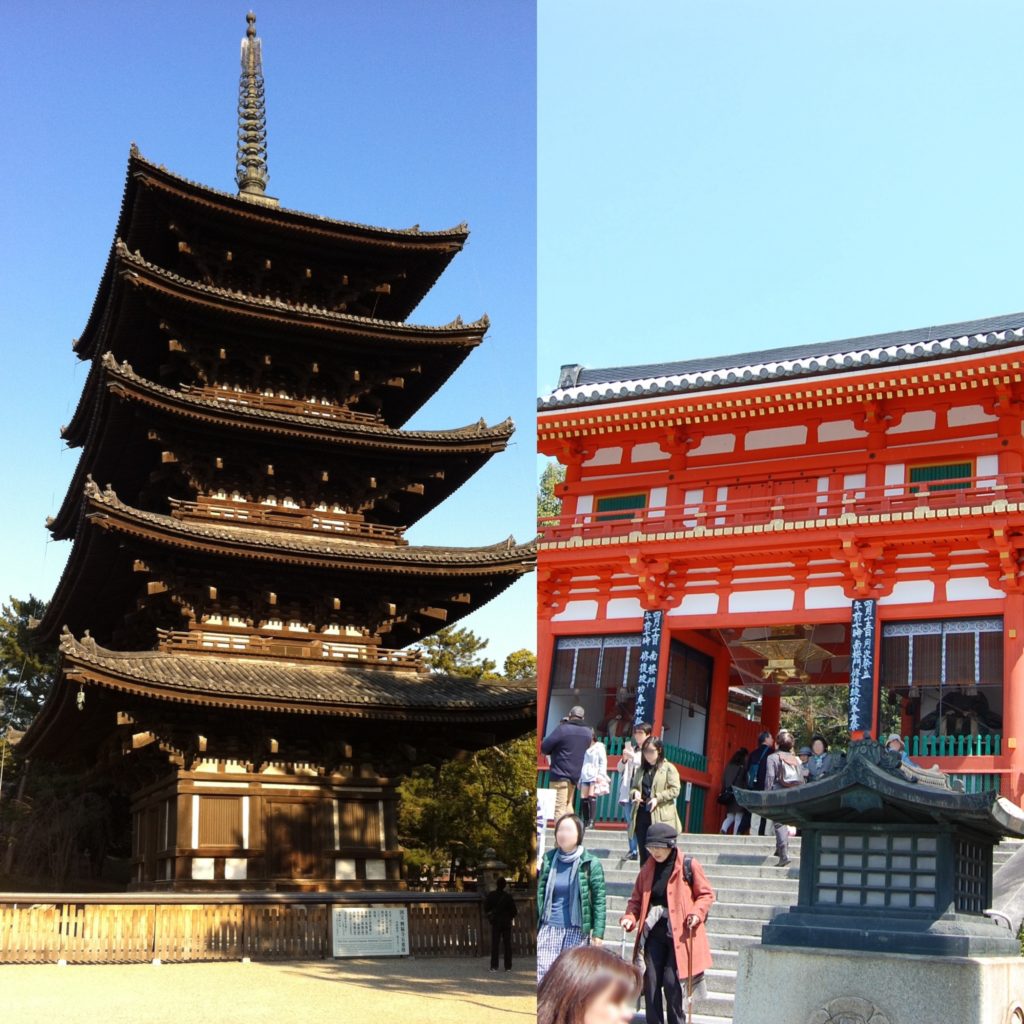
- Temples: Look for pagodas, large Buddha statues, temple bells and incense burners.
- Shrines are usually more minimal, while temples may feel more ornate or solemn.

Worship Styles
- At shrines: Bow twice, clap twice, pray, then bow once more.
- At temples: Bow once, offer incense or prayers silently (no clapping).
- Temples often have graveyards, shrines do not.
Festivals & Rituals
- Shrines are the center of matsuri (festivals), weddings, and seasonal blessings.
- Temples are used for funerals, memorial services, and Buddhist ceremonies.
How to Tell at a Glance
| Feature | Shrine (Jinja) | Temple (Otera) |
| Religion | Shinto | Buddhism |
| Entrance | Torii gate | Sanmon gate |
| Sounds | Clapping allowed | Quiet prayer |
| Figures | Kami (spirits) | Buddhas |
| Events | Festivals, birth | Funerals, death |
Conclusion
Now that you know the key differences, you’ll start spotting shrines and temples more easily on your journey through Japan. Respecting each place’s traditions is a beautiful way to connect with Japanese culture—so take a moment, bow politely, and enjoy the sacred calm.

コメント