Introduction
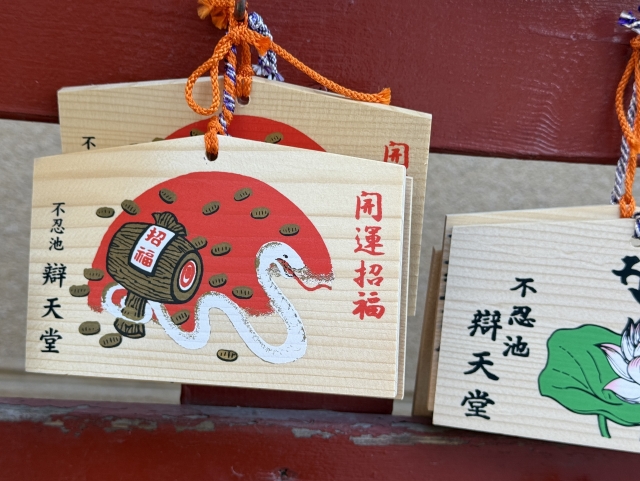
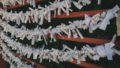
Have you ever seen small wooden plaques hanging at Japanese shrines, covered with handwritten messages and drawings? These are called Ema (絵馬), and they carry people’s wishes, hopes, and dreams. Whether it’s a prayer for success, love, or good health, writing an Ema is a heartfelt part of many shrine visits in Japan. Let’s explore what Ema are, how they’re used, and where you can see the most unique ones during your trip to Japan.
What Is an Ema?
An Ema (絵馬) is a small wooden plaque used to write wishes or prayers at a Shinto shrine. “E” means picture, and “ma” means horse—originally, people offered actual horses to shrines, but over time this became symbolic. Now, worshippers offer wooden plaques with written wishes instead.
How to Use an Ema
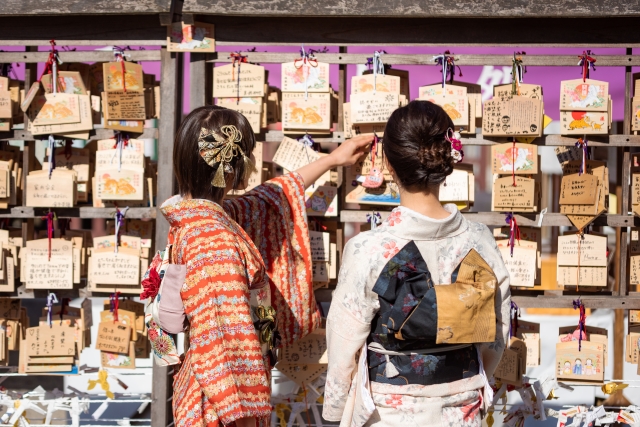
- Purchase an Ema from the shrine’s office (usually around 300–500 yen).
- Use the pen provided to write your wish or prayer.
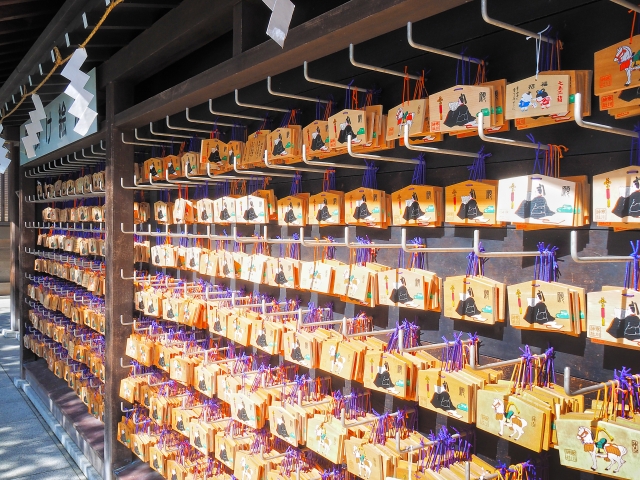
- Hang the Ema on a dedicated rack near the shrine.
Common wishes include:
- Passing exams
- Finding love
- Health and recovery
- Safe travels
- Success in business
Designs and Variations
Ema often feature the zodiac animal of the year, shrine symbols, or even anime characters at popular spots. Some are heart-shaped or come in creative forms. At certain shrines, people also draw pictures on the back—making them little pieces of art!
Where to See Unique Ema in Japan
- Fushimi Inari Shrine (Kyoto): Fox-shaped Ema
- Kanda Myojin (Tokyo): IT-themed Ema and anime-style drawings
- Dazaifu Tenmangu (Fukuoka): Popular for academic success wishes
- Meiji Jingu (Tokyo): Multilingual Ema from global visitors
Final Thoughts
Writing an Ema is a simple yet meaningful ritual that connects you with centuries of tradition. The next time you visit a shrine, take a moment to write your wish—and become part of Japan’s beautiful tapestry of prayers.
コメント