Introduction
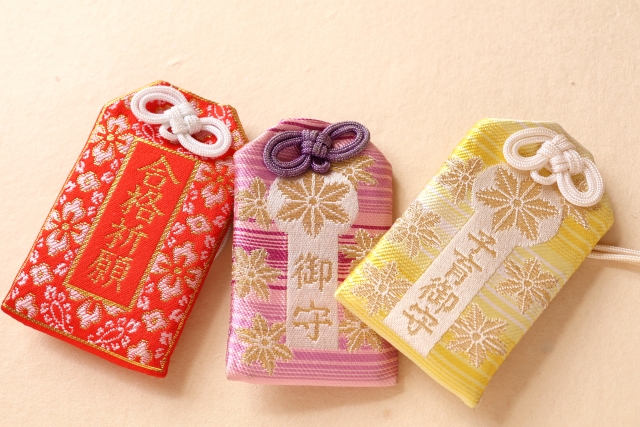
When visiting a shrine or temple in Japan, you’ll often see colorful little fabric pouches hanging near the entrance. These are omamori—Japanese lucky charms believed to bring protection, success, or happiness. But what exactly are they, and how are they used?
What Is an Omamori?
Omamori are small amulets that contain a piece of paper or wood with sacred words or blessings written on them. They are typically kept inside a brocade bag and sold at Shinto shrines and Buddhist temples. Each omamori is said to carry the spiritual power of the deity or Buddha enshrined there.
Types of Omamori
There are many types of omamori for different purposes:
- Love and marriage (enmusubi)
- Health and recovery (kenko / byoki heiyu)
- Safe travels (kotsu anzen)
- Success in school or exams (gakugyo joju)
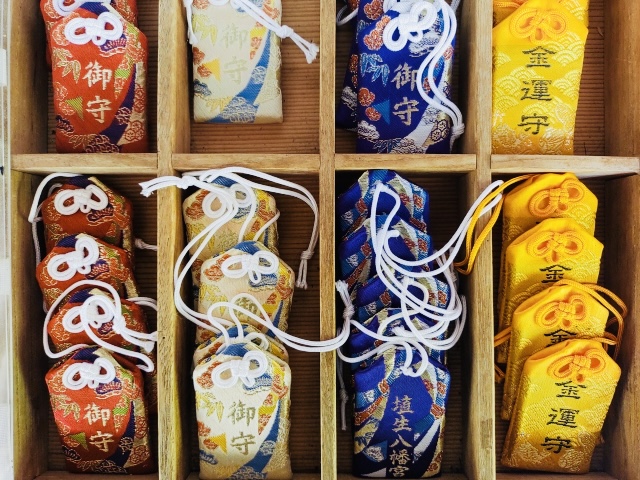
- Business and money (shobai hanjo / kin’un)
How to Use an Mamori
You can carry your omamori in your bag, wallet, or hang it in your car or at home. It’s considered respectful not to open the pouch, as it may weaken its protective power. You don’t need to be religious to use one—many people keep them simply for comfort or hope.
How Long Does It Last?
Omamori are generally believed to work for about one year. After that, it’s common to return them to the shrine for respectful disposal.
However, you can keep them longer if they hold special meaning. There’s no strict rule—what matters most is your respect and intention.
Conclusion
Omamori are more than just souvenirs—they’re a part of Japanese spiritual culture that offers protection and peace of mind. If you’re visiting Japan, don’t forget to pick one up. It might bring you more than just luck—it might bring you comfort too.


コメント