Introduction:
If you’ve ever visited Japan or seen photos of its spiritual sites, chances are you’ve encountered a torii gate — the iconic structure that marks the entrance to a Shinto shrine. But what exactly is a torii, and why does it matter?
What Is a Torii Gate?
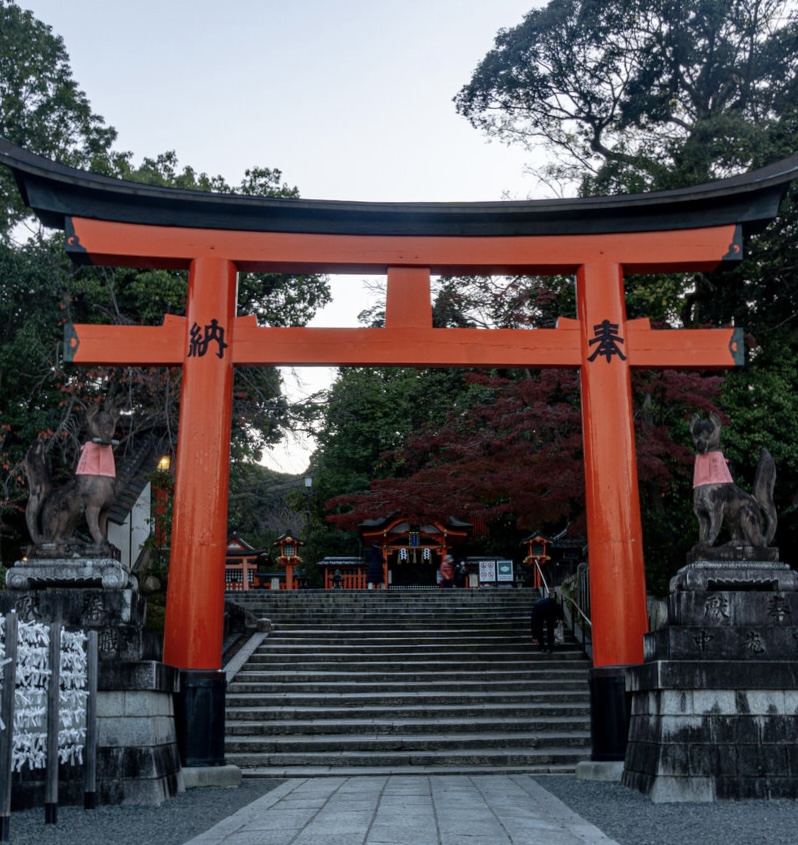
A torii (鳥居) is a traditional Japanese gate most commonly found at the entrance of or within a Shinto shrine. It marks the boundary between the secular world and the sacred ground of the gods. Passing through a torii is considered a symbolic act of purification.
Materials and Craftsmanship of Torii

Torii gates may look simple, but they are carefully crafted using traditional techniques and meaningful materials. The most common materials include:
- Wood – Often painted vermilion, especially at major shrines. Cedar and cypress are popular for their durability and sacred symbolism.
- Stone – Found mostly at older or regional shrines; unpainted and long-lasting.
- Metal – Modern torii may be made from bronze or steel for durability.
- Concrete – Used for large, modern torii like the giant one at Heian Shrine (Kyoto).
The joints are often assembled without nails, using ancient Japanese woodworking techniques. This highlights the spiritual and architectural care put into each structure.
Why Are Torii Often Red?
One of the most iconic features of a torii gate is its vivid red-orange color, known as vermilion. This color is not just for beauty — in Shinto tradition, red is believed to have the power to ward off evil and disease. The pigment, often made from cinnabar, also helps protect the wooden gate from weather and insects. Some torii, especially those in natural settings, may remain unpainted to harmonize with the surroundings.
Where to See Famous Torii
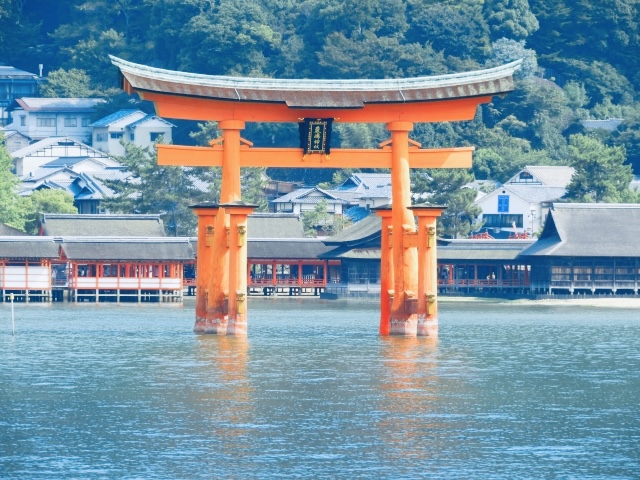
Some of Japan’s most famous torii gates include:
- Itsukushima Shrine (Hiroshima): A floating torii in the sea, a UNESCO site
- Fushimi Inari Taisha (Kyoto): Thousands of red torii form mystical tunnels
- Meiji Jingu (Tokyo): A grand wooden torii in a serene forest setting
Cultural Tips
- Walk along the sides of the torii — the center is considered the path of deities
- Give a slight bow before entering
- Treat the space beyond the torii with respect and quiet
Conclusion:
More than just architectural structures, torii gates are powerful spiritual symbols that mark sacred territory and connect worshippers with the divine. Next time you walk under one, take a moment to reflect — you’re entering holy ground.


コメント